
Welcome to
Miss Angie’s
Speech Halloween
Fun!
I’m Miss Angie-a speech-language pathologist helping children and families grow together through communication. You found this page through your Halloween Card-and that means your ready for some speech and language magic!
Make sure to scroll through the page for they WHY and HOW candy and everyday objects encourrage and help develop speech and language AND for tips to help our friends on the Autism Spectrum.
Sweet Treats & Silly Toys=Speech Magic
Candy & lollipops help strengthen mouth muscles for sounds like ‘t', ‘d,’ ‘l',’ ‘k’ and ‘g’

Everyday play helps build speech and language skills-especially when its fun!
Bubbles encourage breadth control and lip rounding for sounds
‘p’ & ‘b.’
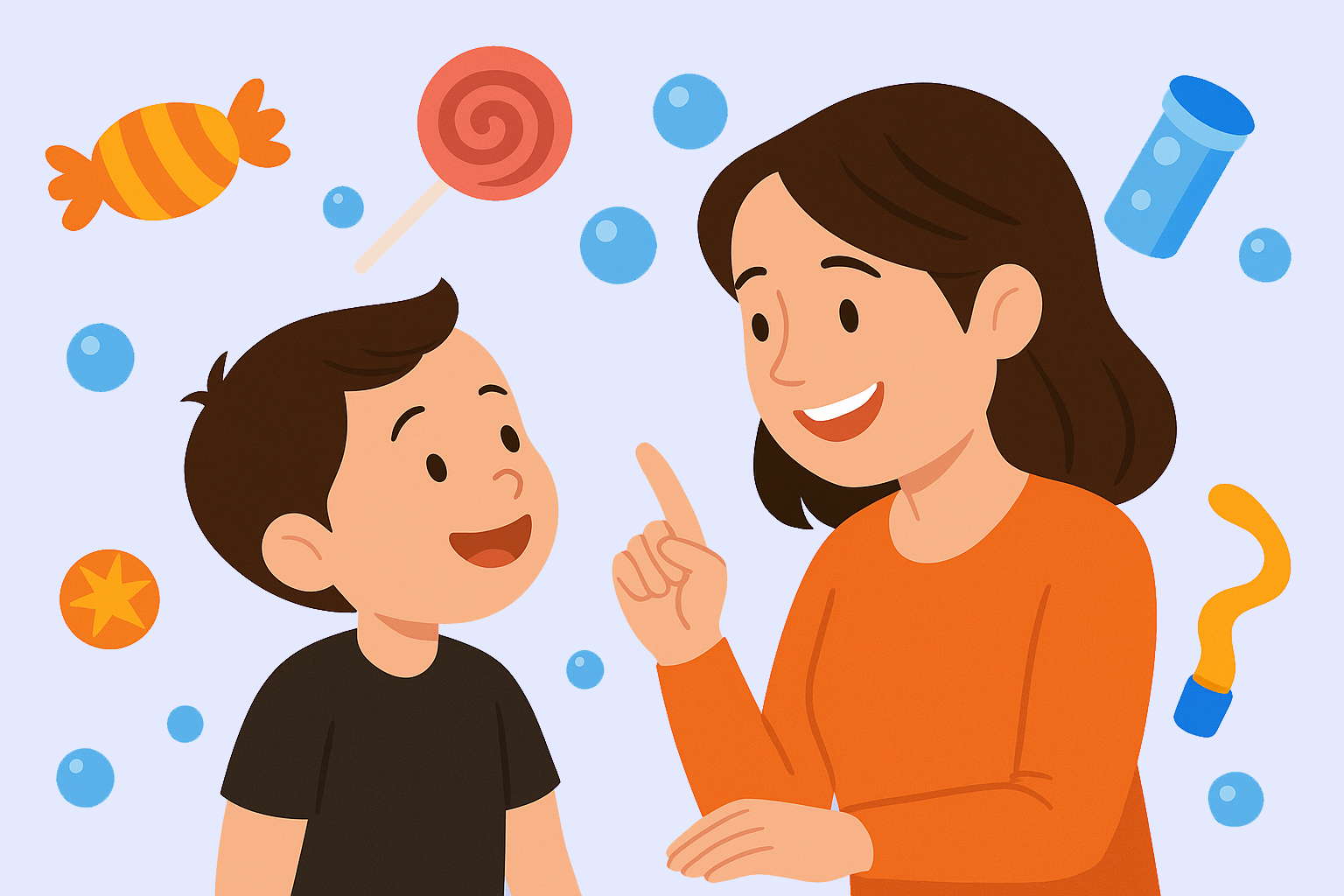
Party blowers support deep breathing and steady airflow

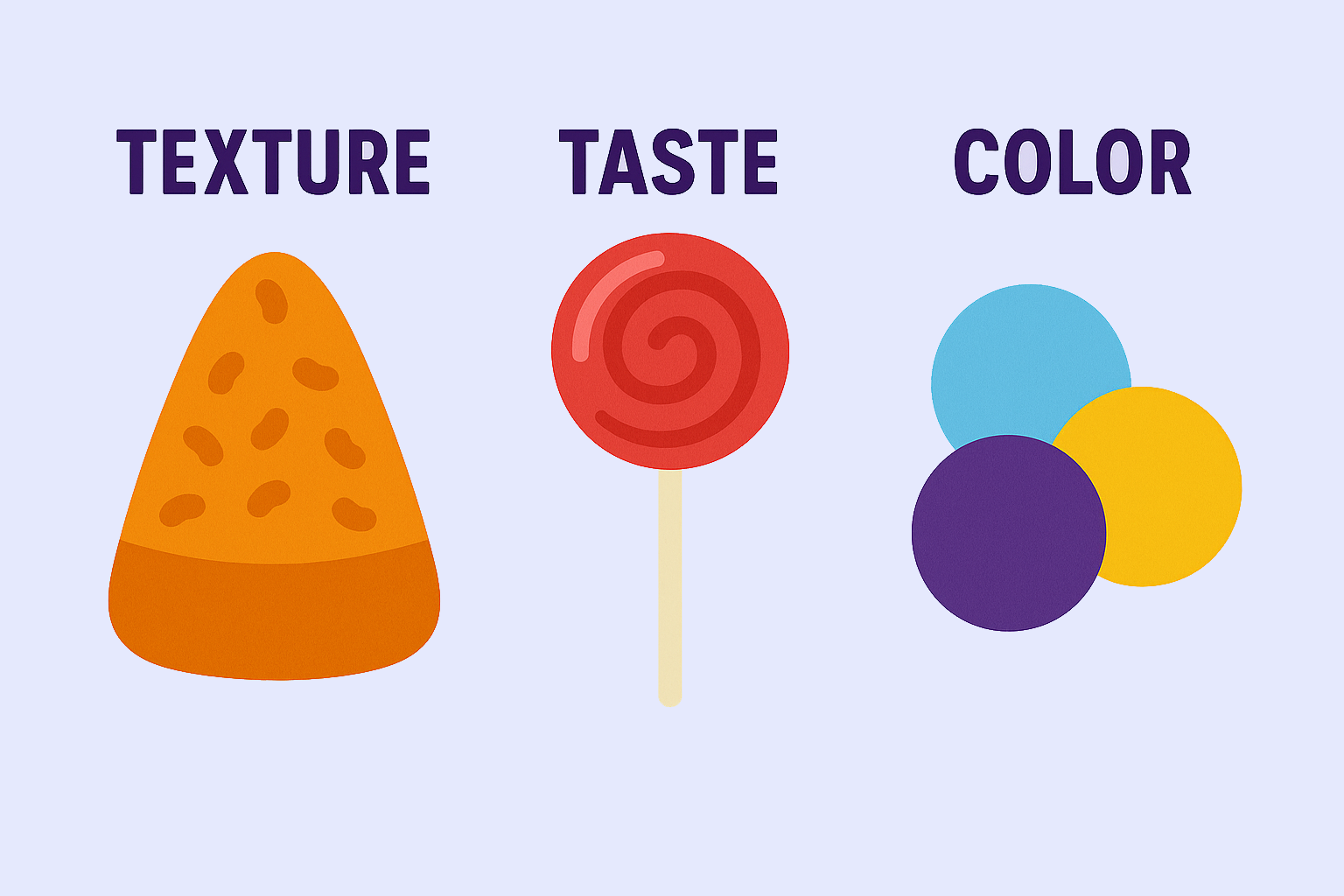
Talk together-describe textures, flavors & colors.


Tongue Twisters & Jokes: Why They Matter
Tongue twisters and jokes aren’t just silly fun-they strengthen speech clarity, listening skills and thinking in powerful ways.

Try saying these tongue twisters fast three times without getting tongue tied:
Silly Sammy swiftly slid down the silver slide.
Shelly’s shiny shoes shimmer in the sunshine.
Larry the lizard loves lemon lollipops.
She sells sea shells by the spooky seashore.
Tongue Twisters (Speech + Sound awareness)
articulation practice: repeating tricky patterns builds control of the tongue, lips and jaw-and improves clarity.
Phonological Awareness: Kids learn to hear the differences in similar sounds (e.g., /s/ vs. ‘sh,’ /r/ vs. /l/.
Self-Monitoring: Say it slowly, then a little faster, teaches kids to listen to themselves and adjust.
Jokes & Humor (Language + Social Communication)
Double Meaning & Figurative Language: Kids learn why “wrap music” is funny (homophones, puns and idioms).
Pragmatics: Timing, tone of voice, facial expressions, and knowing the listeners perspective all matter.
Confidence and Connection: Laughing together makes conversation easier and more natural.
Spooky Silly Speech Jokes:
Q: Why did the ghost go to speech therapy?
A: Because he kept saying Boo-Boo!
Q: What’s a mummy’s favorite music?
A: Wrap music.
Q: Why did the vampire need mouthwash?
A: Because he had bat breath.
Quick Parent Tip:
Start slow, emphasize target sounds, then speed up for fun.
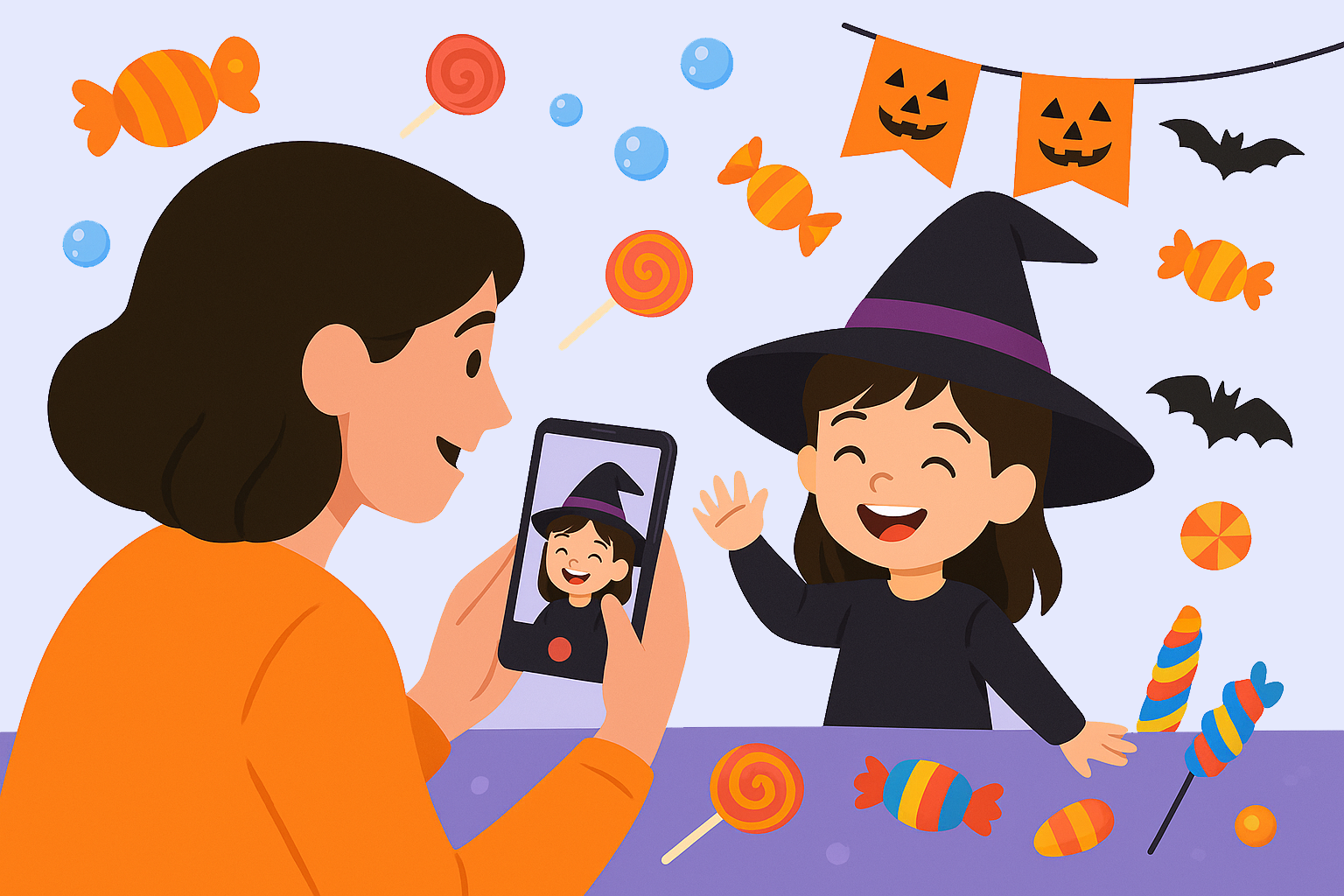
Use mirrors or phone video for visual feedback.
Celebrate effort, not perfection-playful repetition build skills.

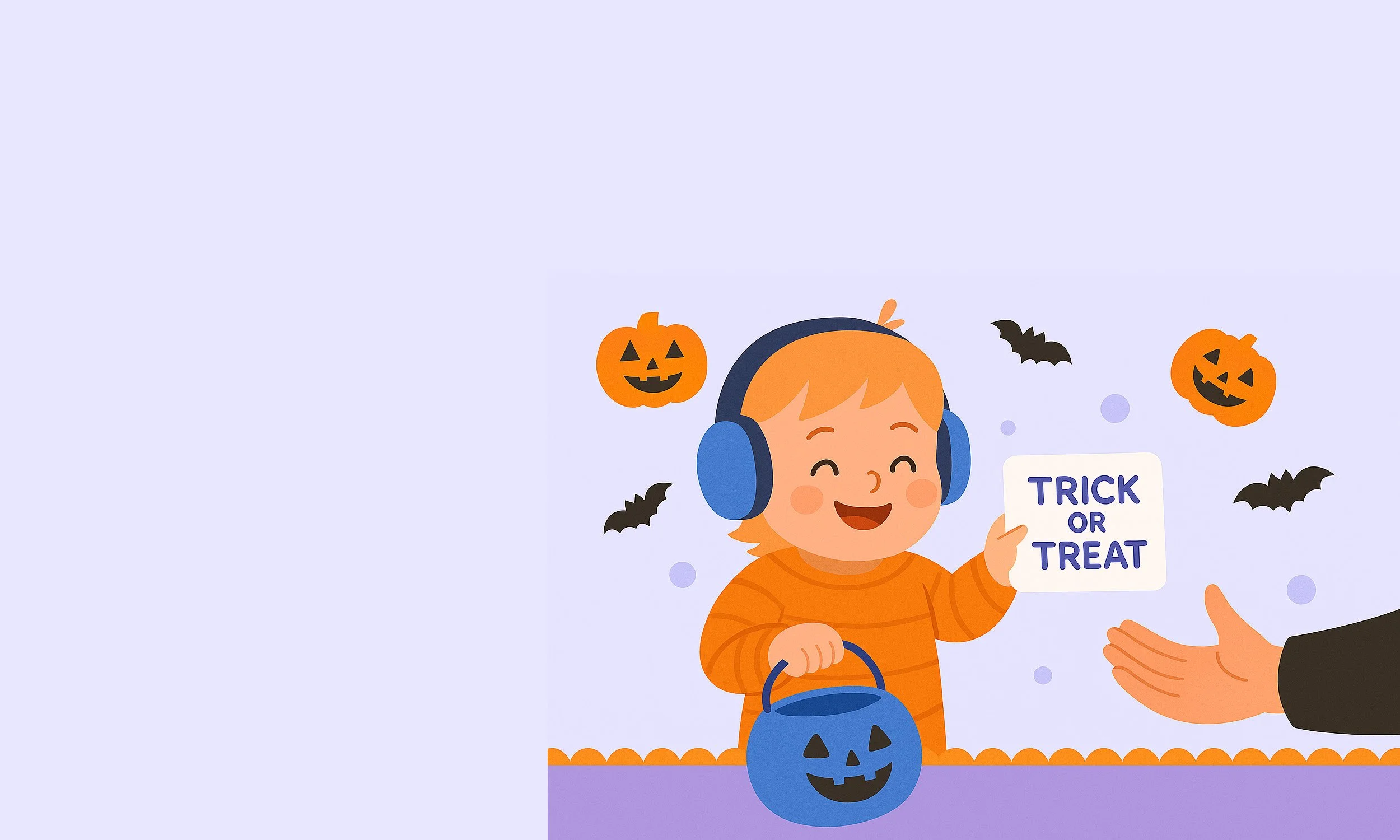
🧩 Helping Our Friends on the Autism Spectrum This Halloween
Making Halloween fun, safe, and sensory-friendly for everyone
For some children—especially those on the autism spectrum—Halloween can be a bit overwhelming. Bright lights, unexpected noises, costumes, and unfamiliar social routines can make this night both exciting and challenging. Small, thoughtful adjustments can help make the experience more enjoyable for every child.
Tips:
🎭 Go slow: Allow children extra time to approach a house or respond to “trick-or-treat.”
💬 Use visual cues: Practice or preview what to say (“Trick or treat!” or “Thank you!”) before heading out.
👕 Keep comfort first: Some kids may prefer non-itchy clothing or skip the costume altogether—and that’s perfectly okay!
🌈 Watch for blue buckets or cards: Some children with autism carry them to signal they might communicate differently.
🕯️ Offer choices: Let kids choose whether to say, sign, or gesture—communication takes many forms.
🫶 Celebrate effort: Whether a child whispers “thank you,” waves, or smiles—that’s success!
Thank you sharing the Halloween fun with me!
If you feel your child may need speech or language services feel free to schedule a screening at:

For more speech and language tips or milestone guides, visit my homepage: